Understanding the Benefits of Using Metal for Construction
Choosing the right materials for building projects is crucial. When it comes to long-term maintenance, certain materials offer more advantages than others. Metal, as a construction material, stands out because of its durability and low upkeep requirements. Unlike wood, which can warp or rot over time, metal remains intact and robust. This makes it an excellent choice for those looking to minimize the need for frequent repairs and maintenance.
The Durability of Building With Metal
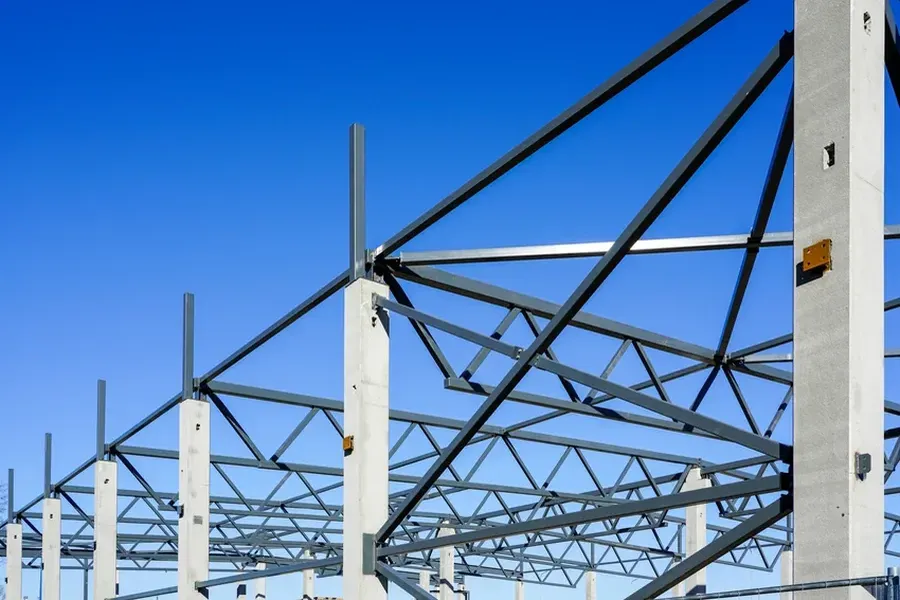
Metal framing provides significant benefits in terms of structural integrity. It does not suffer from issues like termites or moisture damage that often affect wooden structures. As a result, buildings using metal require less frequent repairs. The strength of metal ensures that these frames can withstand harsh weather conditions, reducing the potential for damage and thus lowering maintenance costs.
Cost-Effectiveness Over Time
While the initial investment in metal framing may be higher compared to other materials, its long-term cost benefits are substantial. Owners save money due to reduced repair needs and longer-lasting structures. Additionally, metal’s resistance to pests and fire further decreases the likelihood of costly damages, making it a financially wise choice for both residential and commercial buildings.
Simplified Maintenance Processes
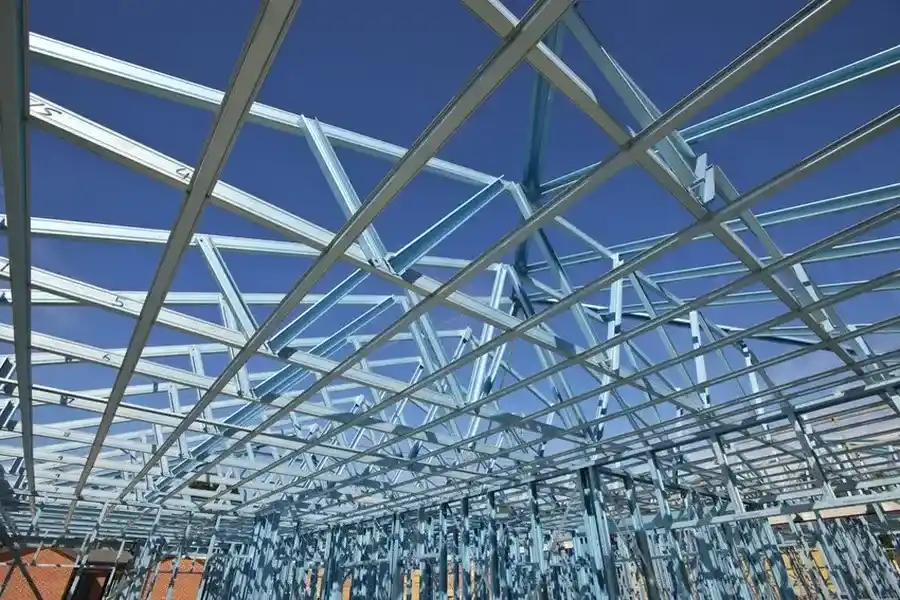
Maintaining a building with metal components is often simpler and requires fewer resources. The surfaces of metal walls and roofs are easier to clean, needing only occasional washing to maintain their appearance. Moreover, since metal does not absorb water, there is no risk of mold growth, which can lead to health hazards and additional maintenance tasks in other materials.
- Reduced need for painting or refinishing
- No treatments required against pests
- Lower risk of structural issues caused by environmental factors
Environmental Benefits and Sustainability
Metal is a sustainable building material option. It is 100% recyclable, meaning once a structure reaches the end of its lifecycle, the metal can be reused without loss of properties. This sustainability aspect helps reduce waste and supports eco-friendly building practices. Furthermore, because metal structures last longer, they contribute less frequently to landfills compared to traditional materials.
Common Misconceptions About Metal Usage
There are several misconceptions about using metal in construction that deserve clarification. Some people think metal buildings might look industrial or cold. However, modern design techniques allow for stylish finishes that suit various aesthetics. Another myth is that metal frames are noisy during rainstorms; however, proper insulation effectively mitigates sound issues.
- Select metal for areas prone to dampness or termite activity.
- Consult professionals for proper installation techniques.
- Ensure regular inspections to prolong the life of your structure.
Expert Tips for Choosing the Right Materials
When deciding on materials for any construction project, consider both upfront costs and future savings. Engage with experts who understand the best practices surrounding metal use. They can advise on the ideal thickness and types of metal suited for specific climates or structural needs. Their guidance will ensure you gain the maximum benefits from your investment.
Your Next Steps Towards Durable Structures
If you’re considering upgrading or starting a new construction project in West Hartford, CT, exploring the benefits of using metals could be advantageous. Contact Ali Construction at (860) 217-3445 to learn how this choice can enhance your building’s longevity while cutting down on long-term expenses. Let me provide expert advice tailored to your unique needs and environment.